


Nowhere Jazz Quartet: The Free, Urban Sound of Bogotá’s Jazz
For the past sixteen years, drummer and composer Juan Camilo Anzola, a professor at the Universidad Distrital de Bogotá, has led one of the most consistent and innovative projects in Colombian jazz: the Nowhere Jazz Quintet (now a quartet). Founded in 2009 based on his own compositions, the group has managed to evolve without losing its identity, moving through different formats — performing as a quintet for over ten years and now transformed into a quartet.
Step Into Flamenco Jazz! – Chapter One
Flamenco Jazz represents the first — and perhaps the most fertile, rich, and meaningful — meeting ground between flamenco and jazz. It’s the most vibrant and thought-provoking blend in the history of both genres, and arguably the most significant expression of Spanish music in the last forty years. What’s more, it has spread beyond Spain, embraced by musicians around the world — proof of its truly universal dimension.
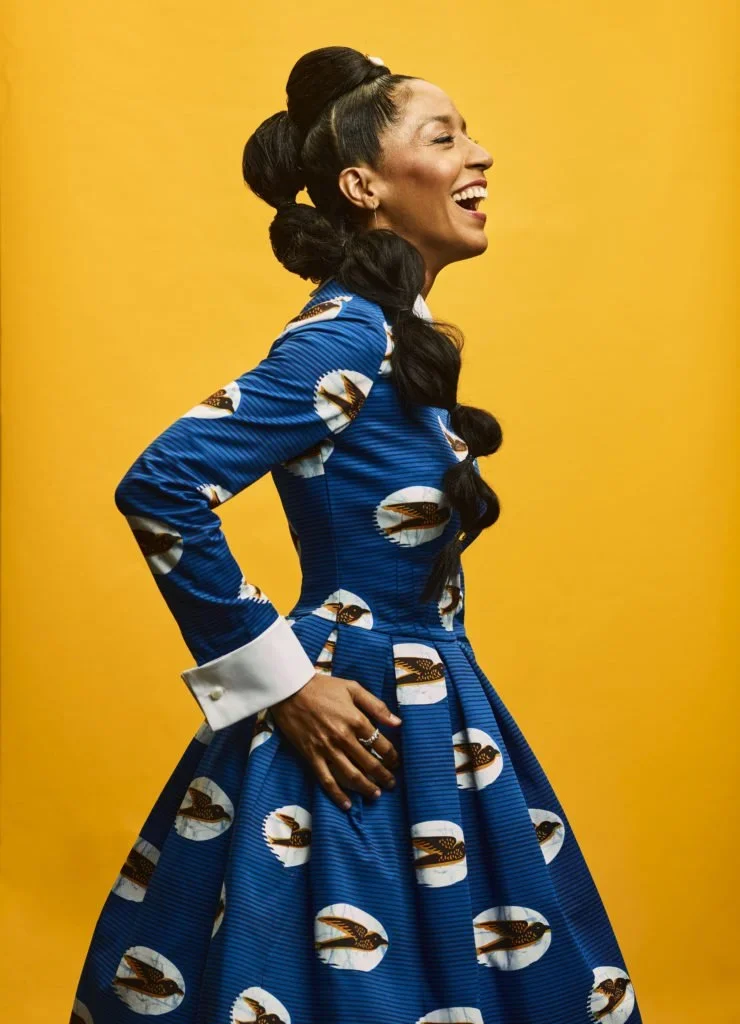
Yilian Cañizares and the African Ancestry of Jazz
Jazz is an art form built on tradition, molded by the transatlantic currents of rhythm and resistance. Beneath its heady harmonies and soaring solos lies a history of migration, resilience, and cultural collaboration. Through the violin and voice of Yilian Cañizares, this heritage becomes audible: a synthesis of Afro-Cuban rhythms, world-class violin technique, and jazz-latin fusion.
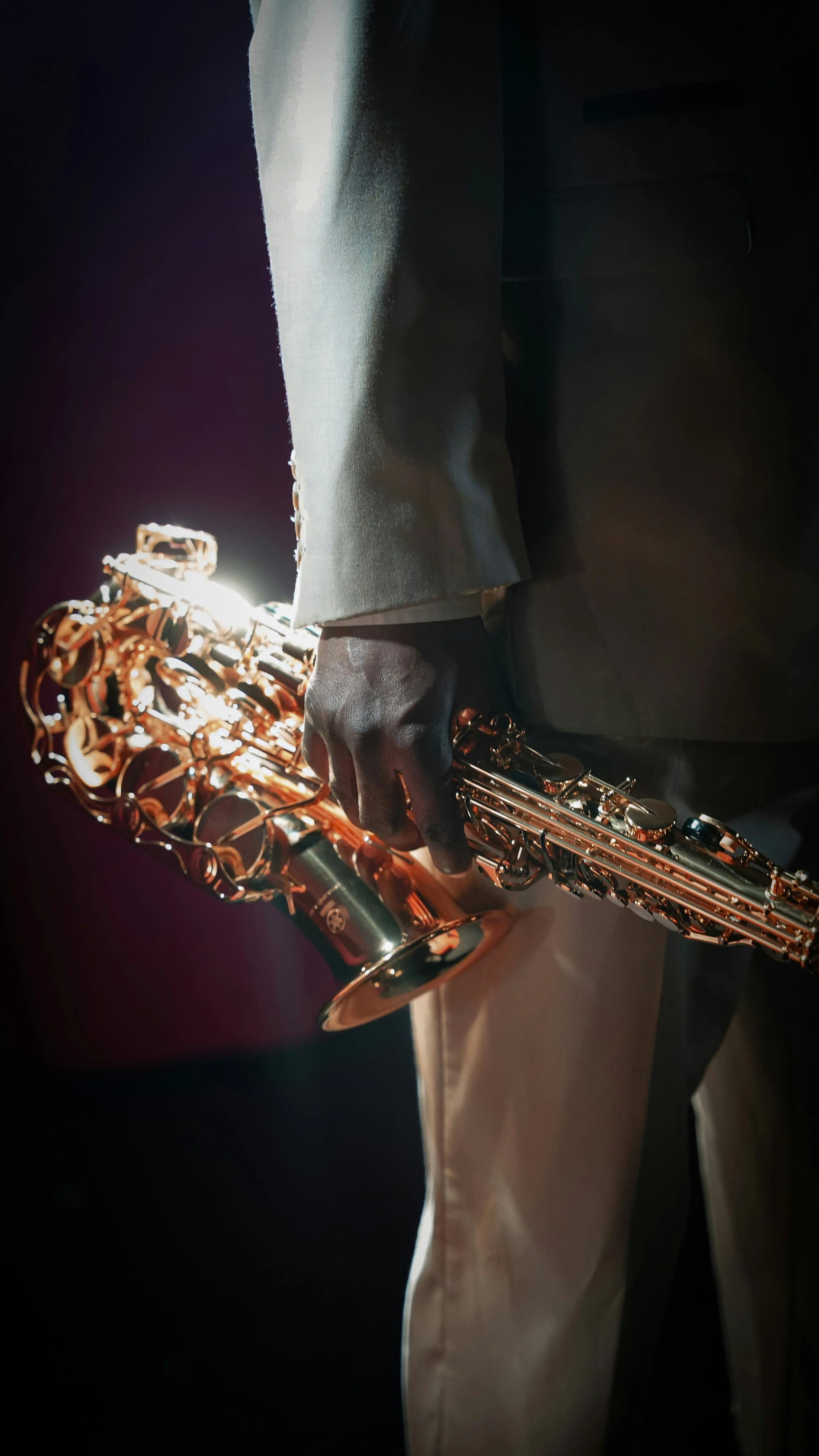
Bebop and the Birth of Modern Jazz
At the beginning of the 1940s, jazz underwent a profound transformation. In the nightclubs of Harlem—especially at Minton’s Playhouse and Monroe’s Uptown House—a group of young African American musicians began developing a new musical language that would break away from the dominant style of the time: swing. From those informal sessions, bebop emerged—a movement that would forever change the history of jazz.
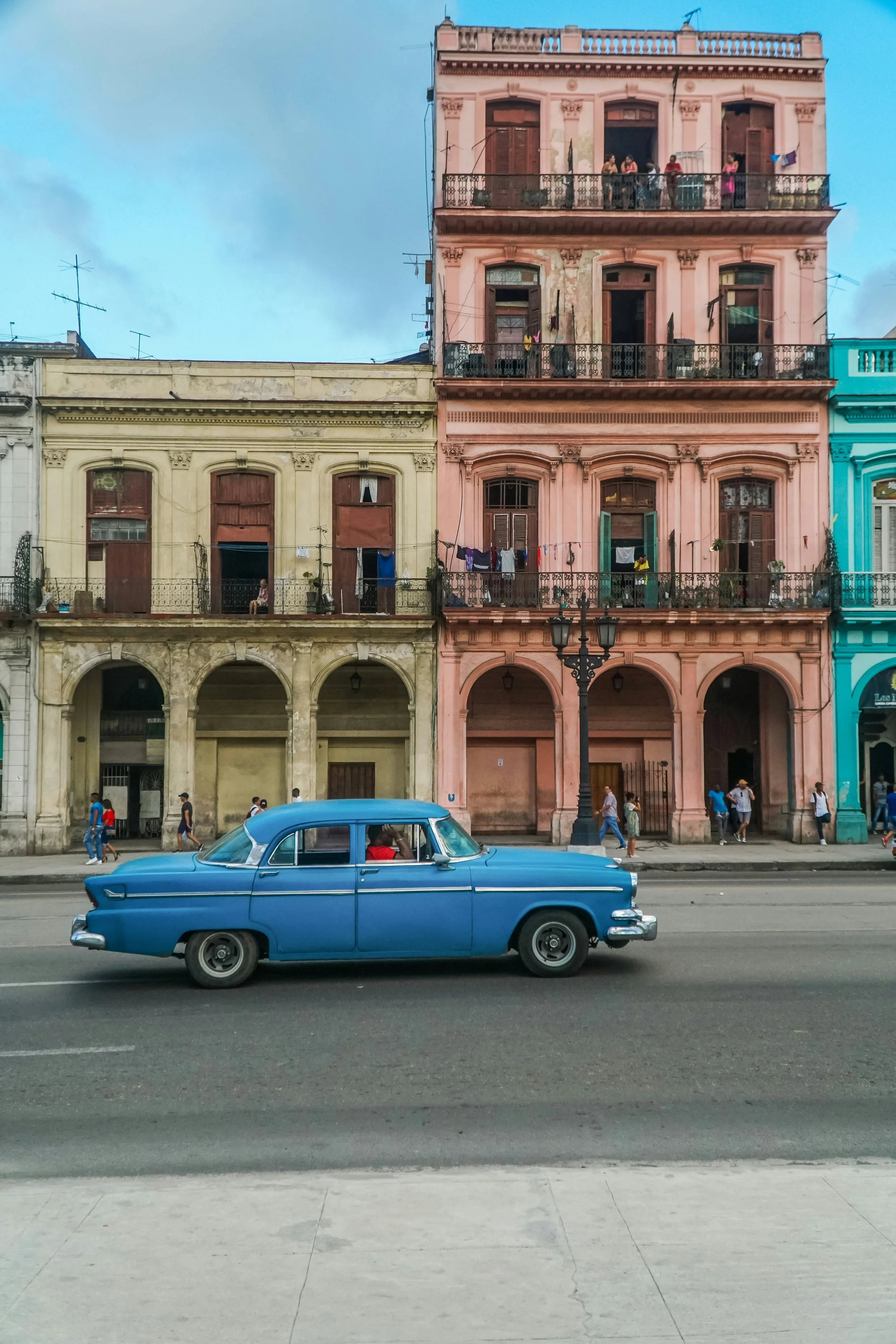
Havana to Harlem: The History of the Habanera
Picture this: Havana, Cuba in the mid-19th century. There is music everywhere; infectious rhythms and lively dancing make the city feel alive. Locals tap their feet, dancing the Contradanza, a popular style of dancing based around a specific polyrhythm, the Habanera. Fast-forward 100 years to 1956, and hear the same rhythmic pulse driving tantalizing new sounds of the Horace Silver Quintet. How did one rhythm travel thousands of miles to shape the sound of jazz and all modern music?
¡Entra en el Flamenco Jazz! Capítulo Primero
El Flamenco Jazz constituye el primer mestizaje tanto del flamenco como del jazz, el más fértil y rico, el más sustancioso e interesante. Asimismo, es la mejor índole de música española de los últimos cuarenta años, la de mayor significación e inquietud. Por añadidura, también se cultiva fuera de España y por músicos extranjeros, en señal de su perfecta dimensión universal.
From Danzón to Duke Ellington: Jazz’s Mexican Journey
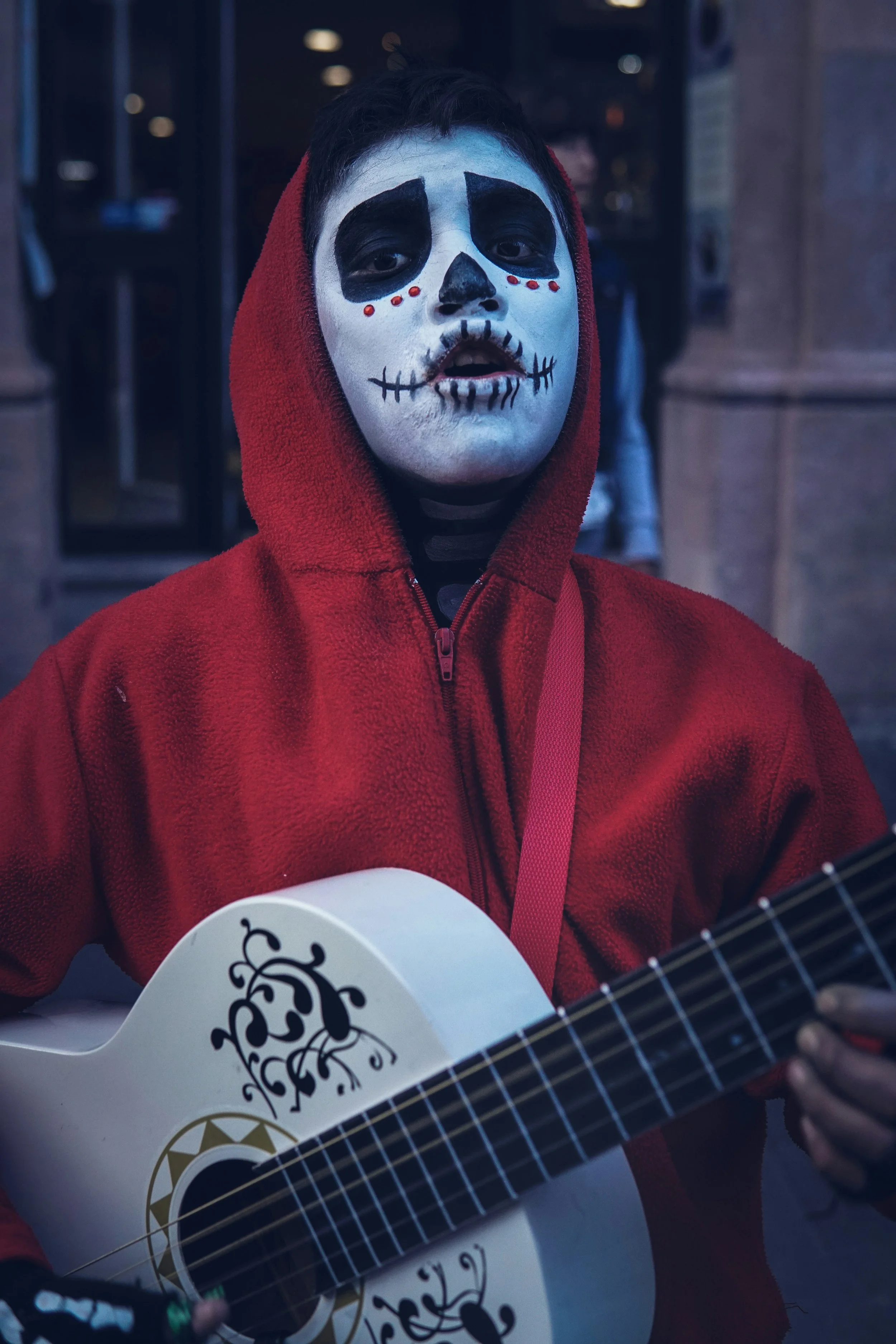
Jazz, which emerged in the United States at the end of the 19th century, soon found fertile ground in Mexico for its reception and transformation. Early contact between Mexican and American musicians allowed the genre to spread throughout the country, where it acquired its own characteristics through interaction with local traditions. Over more than a century, jazz in Mexico has gone through phases of introduction, consolidation, experimentation, and contemporary revitalization, becoming an essential component of national cultural life.
Whispers from Ipanema: The Jazz-Bossa Affair
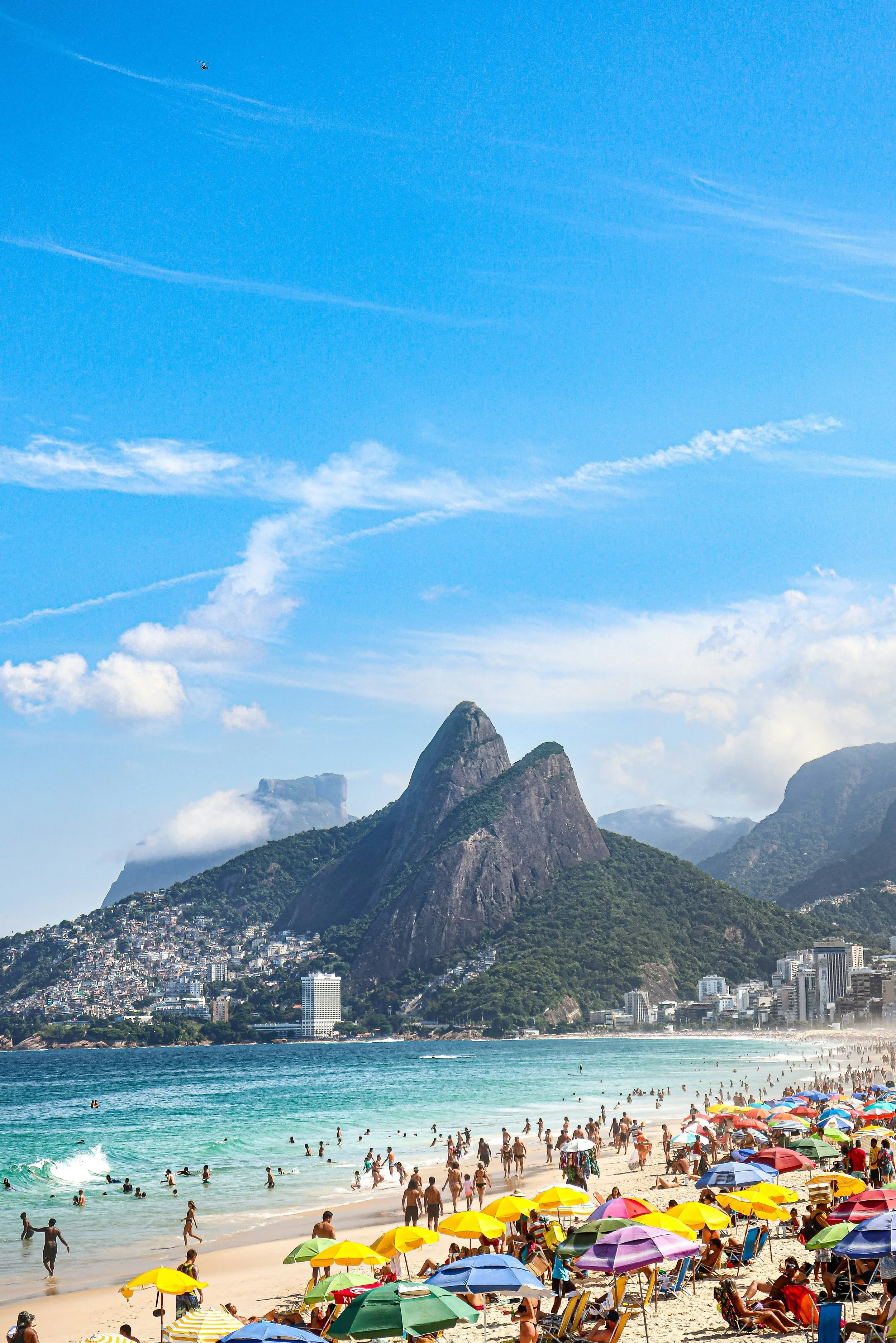
In the warm sunsets of Rio de Janeiro, where the waves of the Atlantic kiss the concrete of Ipanema and verses escape between acoustic guitars, a sound was born that forever changed the history of popular music: Bossa Nova. An authentic and uniquely Brazilian expression ended up seducing the giants of American jazz, who lost themselves in the passion and quality of a genre that seemed distant but ultimately proved to be an extraordinary complement—forming one of the most striking fusions of the 20th century.

Jazz in Japan: A Never-ending Movement
The history of jazz in Japan is a fascinating journey of cultural exchange, resistance, creative appropriation, and aesthetic renewal. Since its arrival in the early decades of the 20th century, this musical genre has undergone a process of adaptation and reinterpretation that has made it an integral part of Japanese cultural life. Through different historical stages—from pre-war modernization to the postwar era and its consolidation in international festivals—jazz has acquired a unique depth in Japan, a reflection of an appropriation that is not merely imitative, but genuinely creative.
From Andalusia to New Orleans: The Crossroads of Sound
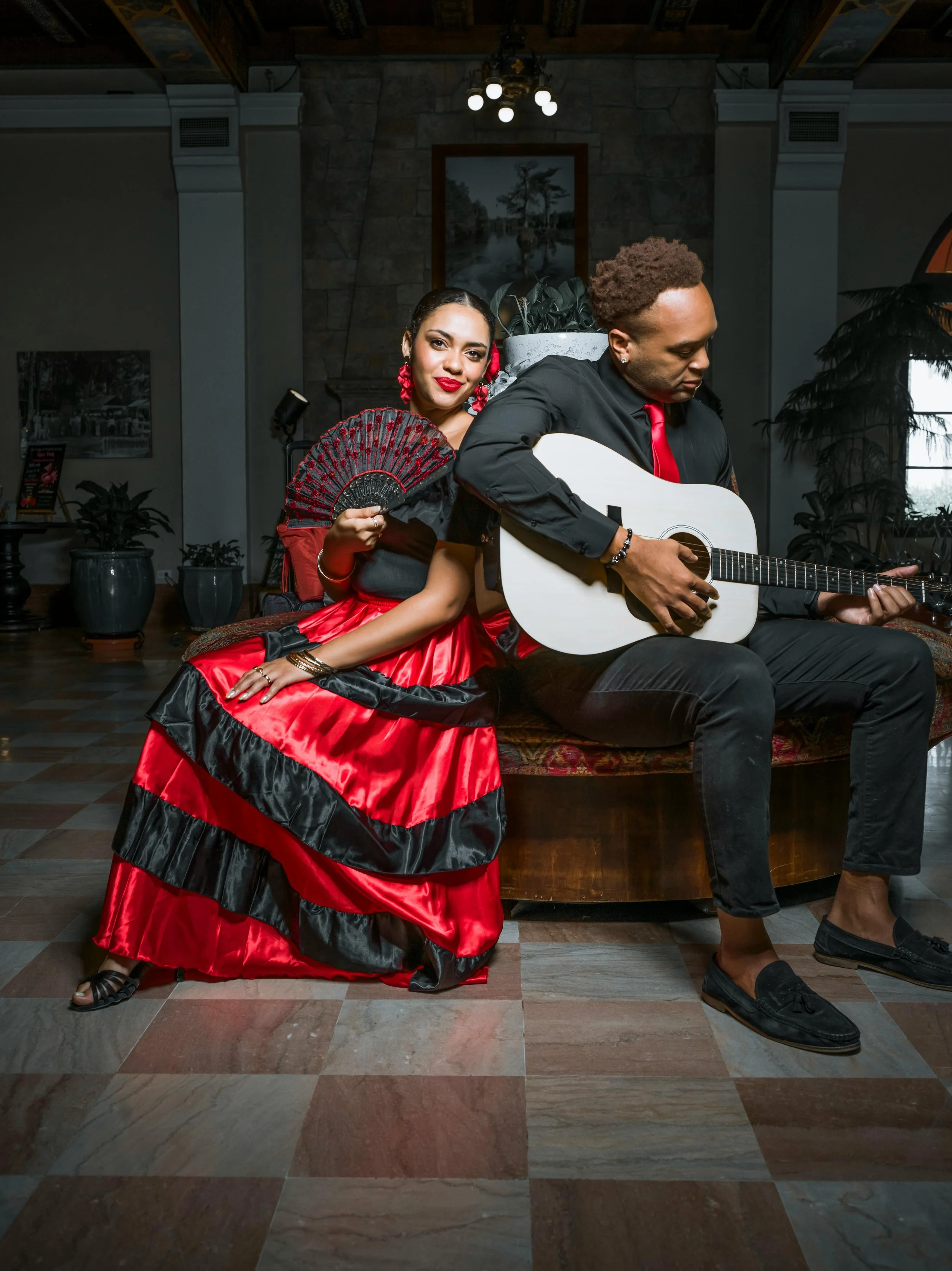
Throughout history, various musical genres have emerged and evolved as a result of interaction and fusion between different cultures. These blends enrich the musical traditions of peoples and generate unique styles that reflect diversity and evolution. Below, we’ll explore two emblematic examples: jazz, rooted in African migration and American culture, and flamenco, shaped by Arab, Jewish, gypsy, and African influences developed in southern Spain. We’ll also trace the paths forged by two key figures in this fusion process: Paco de Lucía and Chick Corea. Additionally, we’ll highlight pivotal moments involving the legendary Miles Davis, whose influence was crucial to the development of this musical convergence.