

Havana to Harlem: The History of the Habanera
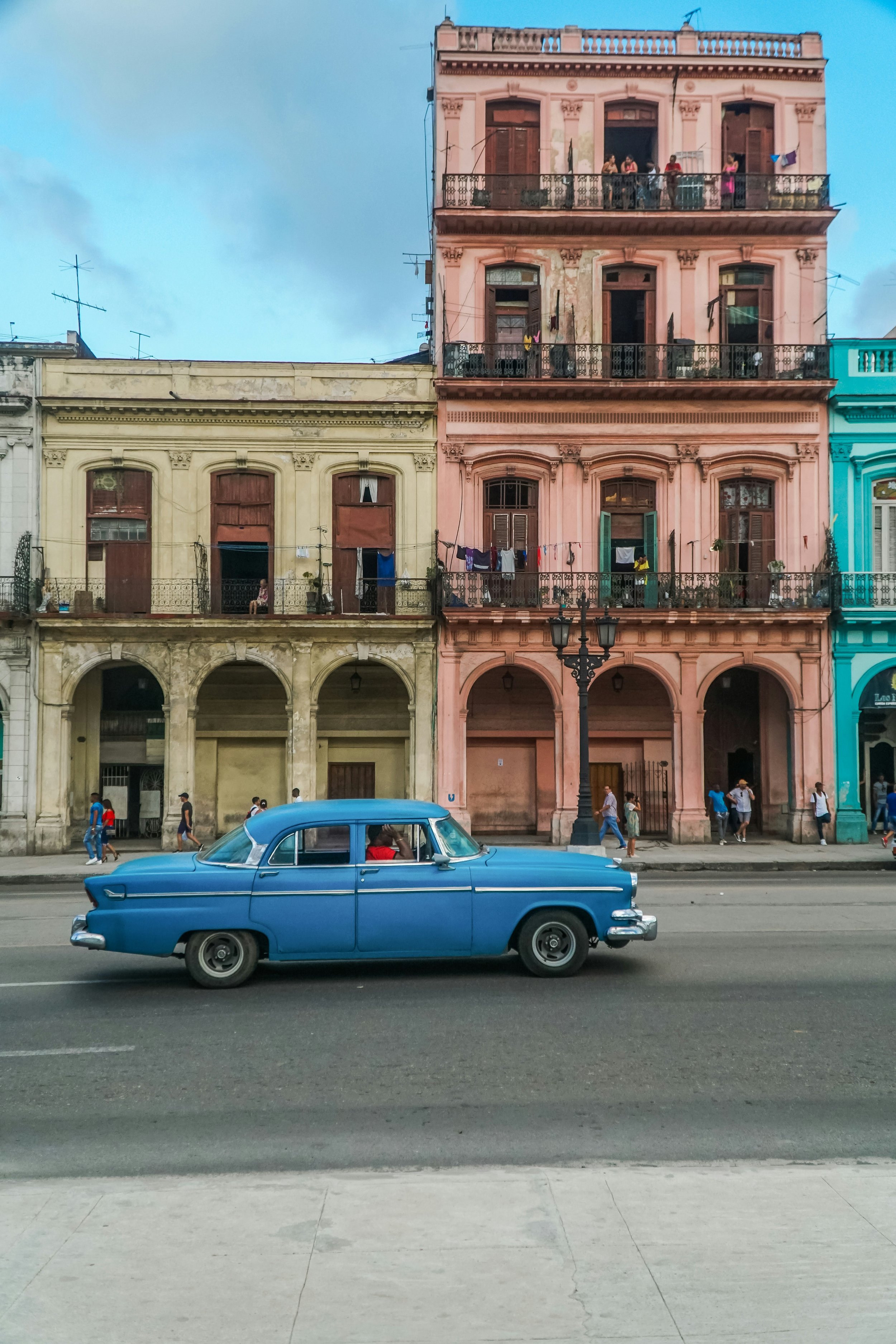
Picture this: Havana, Cuba in the mid-19th century. There is music everywhere; infectious rhythms and lively dancing make the city feel alive. Locals tap their feet, dancing the Contradanza, a popular style of dancing based around a specific polyrhythm, the Habanera. Fast-forward 100 years to 1956, and hear the same rhythmic pulse driving tantalizing new sounds of the Horace Silver Quintet. How did one rhythm travel thousands of miles to shape the sound of jazz and all modern music?
With its name literally translating to “From Havana,” the Habanera is regarded as a deeply rooted musical tradition in Cuba. In the 19th century, Havana was a cultural and ethnic melting pot, shaped in part by its role as a major hub of the transatlantic slave trade, which brought hundreds of thousands of enslaved Africans to Cuba. This African presence in Cuba resulted in an explosion of culture, bringing new religions, new dances, and new sounds to the island of Cuba. New and exciting African poly-rhythmic devices like the Tresillo made a huge impact on the pre-existing musical traditions in Havana. The godfather of all Afro-Cuban rhythmic traditions, the tresillo was responsible for introducing the inimitable 3:2 polyrhythm to Latin Music. Resulting in famous styles of music such as the Rumba, the Danzón and the Habanera, the influence of African culture on the early development of Latin musical traditions cannot be understated.
Throughout the 19th century, Havana and New Orleans were inextricably interconnected as hubs of importation and immigration. As an exporter not just of sugar, molasses, and coffee, Cuba also sent many musicians to the then-growing cultural nexus of New Orleans. It wasn’t long before the Afro-Cuban invention of the Habanera made landfall in Louisiana. The seductive syncopation of the Habanera was irresistible to dance to and quickly became a hit in dance halls and ballrooms. Local NOLA composers like pianist Louis Moreau Gottschalk would incorporate the new style in songs like Bamboula as early as 1848. In 1875, famous French Romantic composer Georges Bizet immortalized the sound by writing an aria titled simply, Habanera, in his magnum opus, Carmen. By the late 1800s, the rise of early traditional jazz (sometimes referred to as Dixieland) contained clear influences from the Afro-Cuban sounds of the mid-century.
Early trailblazers of the ragtime genre, such as Scott Joplin and Jelly Roll Morton, incorporated the Habanera rhythm into their compositions. In fact, Jelly Roll Morton referred to the Habanera simply as the "Spanish tinge,” and acknowledged that it was fundamentally essential to jazz music. As ragtime morphed into the Swing era of the early 20th century, these syncopated rhythms persisted, assimilating into the idiomatic language we call jazz. Swing music itself, famous for its typical long-long, short-long ride-cymbal pattern, is a direct interpolation of the Habanera’s long-short, long-long clave pattern. Who would have thought jazz icons like Benny Goodman, Dizzy Gillespie, and Art Blakey were borrowing from the Afro-Cuban traditions of Habaneros centuries before them? While Swing music and its later evolutions into bebop, hard bop, and beyond are distinctly their own genres, it is important to recognize the monumental influence of Afro-Cuban traditions. Modern jazz music, latin music, and all genres of fusion share a heritage. They are all unique, yet tied to a common ancestor: The Habanera.
by Theo Bookey