

Jazz in Japan: A Never-ending Movement
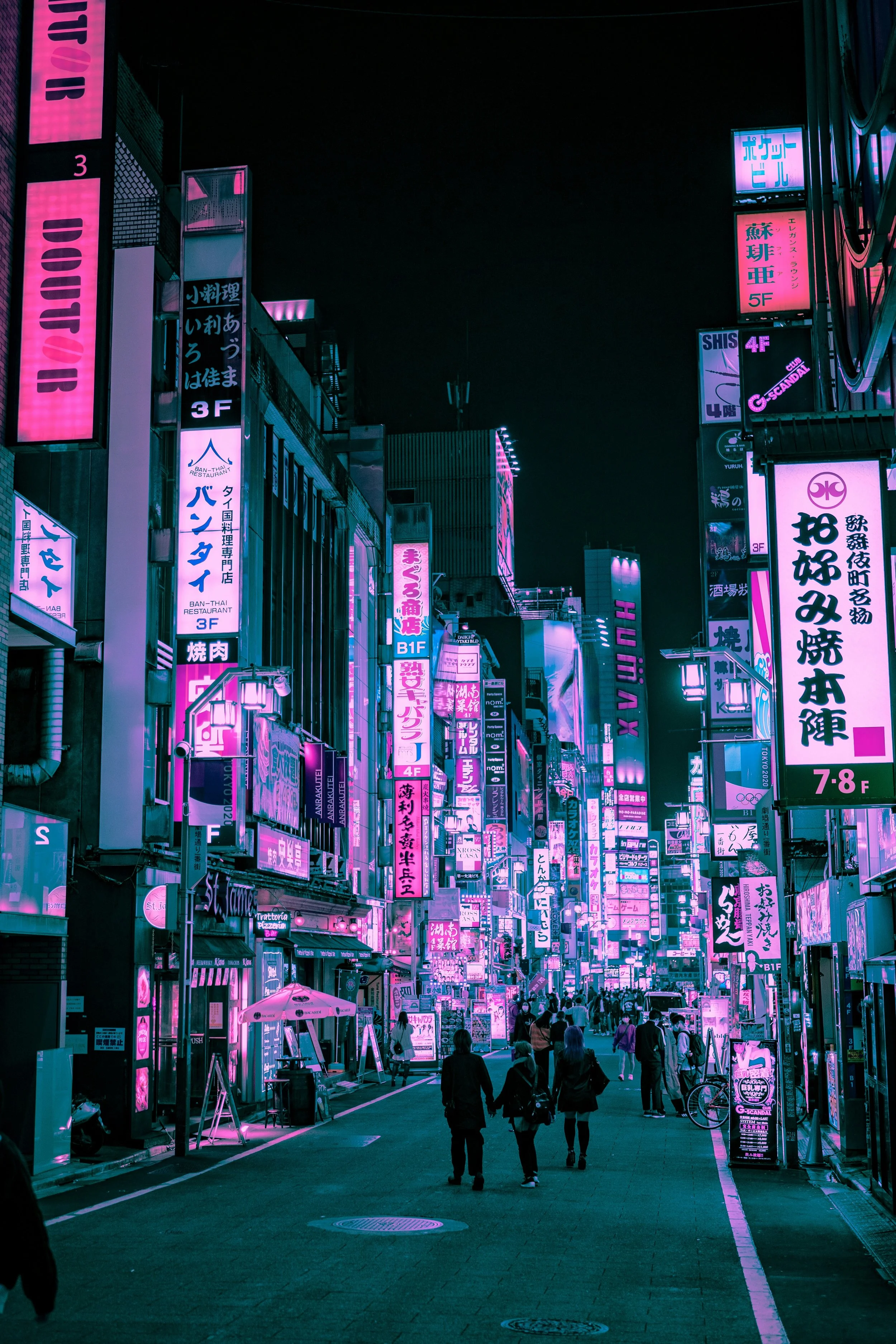
The history of jazz in Japan is a fascinating journey of cultural exchange, resistance, creative appropriation, and aesthetic renewal. Since its arrival in the early decades of the 20th century, this musical genre has undergone a process of adaptation and reinterpretation that has made it an integral part of Japanese cultural life. Through different historical stages—from pre-war modernization to the postwar era and its consolidation in international festivals—jazz has acquired a unique depth in Japan, a reflection of an appropriation that is not merely imitative, but genuinely creative.
Jazz arrived in Japan in the 1920s, tied to the country’s rapid modernization, its openness to Western influences, and the rise of urban entertainment. Filipino and American musicians began performing in port cities like Yokohama, Kobe, and Osaka, introducing local audiences to this new sound. Soon, jazz became associated with cinema, cosmopolitan culture, and the emerging urban middle class, especially in Tokyo. At this early stage, the music was consumed more as a symbol of modern sophistication than as a deeply understood art form.
However, during World War II, jazz was banned by the imperial government, as it was considered “enemy music” originating from the United States. This censorship did not entirely eliminate its influence, as many fans continued to listen to it in secret, safeguarding imported records and clandestine recordings. After the war ended in 1945, and with the U.S. occupation, jazz returned forcefully to Japanese cultural life. American military bases, radio stations, and nightclubs became key spaces for its diffusion, marking a new phase of the genre’s consolidation.
In the 1950s and 1960s, jazz found a new home in the jazu kissa, or jazz cafés. These venues, known for their sober atmosphere, specialized vinyl collections, and high-fidelity audio equipment, became centers of cultural and musical learning. The jazu kissa not only played recordings that were impossible to find in regular stores, but also served as spaces for contemplation, critical exchange, and aesthetic appreciation. It was in this context that a new generation of Japanese musicians began to develop their own jazz language.
From the 1970s onward, Japanese jazz ceased to be merely an interpretation of American models and became an original artistic proposal. Artists like Sadao Watanabe, Toshiko Akiyoshi, and Terumasa Hino began exploring fusions between jazz and traditional Japanese music, incorporating oriental scales, native instruments, and distinct narrative forms. This movement, sometimes referred to as wa-jazz, gained momentum and helped position Japan as a respected global jazz scene. The creation of festivals such as Live Under the Sky, Mount Fuji Jazz Festival, and the Newport Jazz Festival in Madarao cemented this international presence.
Even the way jazz is experienced live in Japan is different, authentic, and very much aligned with Japanese culture. In his book A Guide to Jazz in Japan, Michael Pronko explains:
“Jazz clubs are different from izakaya or bars, where people go to drink, eat, shout, and argue. At most jazz clubs, it's quiet except for the music and conversation before, after, and between sets. Of course, jazz fans applaud, clap along, and even whoop with joy at points, but expressing emotion is generally not what's done in public. Look instead for their feelings expressed in buying a CD and asking for an autograph.”
Thus, a completely different experience has been created around the genre. The way of living and feeling the music is a whole new world for many, and precisely for that reason, it becomes a beautiful phenomenon that every music lover should know.
In conclusion, the process of jazz appropriation and transformation in Japan was not a simple case of cultural imitation, but a complex fusion that reflects the capacity to reinterpret the foreign through local lenses. From its entry as Westernized parlor music to its development as an artistic expression with distinctly Japanese traits, jazz has become a channel of dialogue between tradition and modernity. This history not only illustrates the genre’s adaptability but also highlights the richness of Japanese culture in absorbing, re-signifying, and reimagining global influences with depth and authenticity.
by José Daniel Mejía Valle