

Flamenco Jazz: A Captivating Fusion
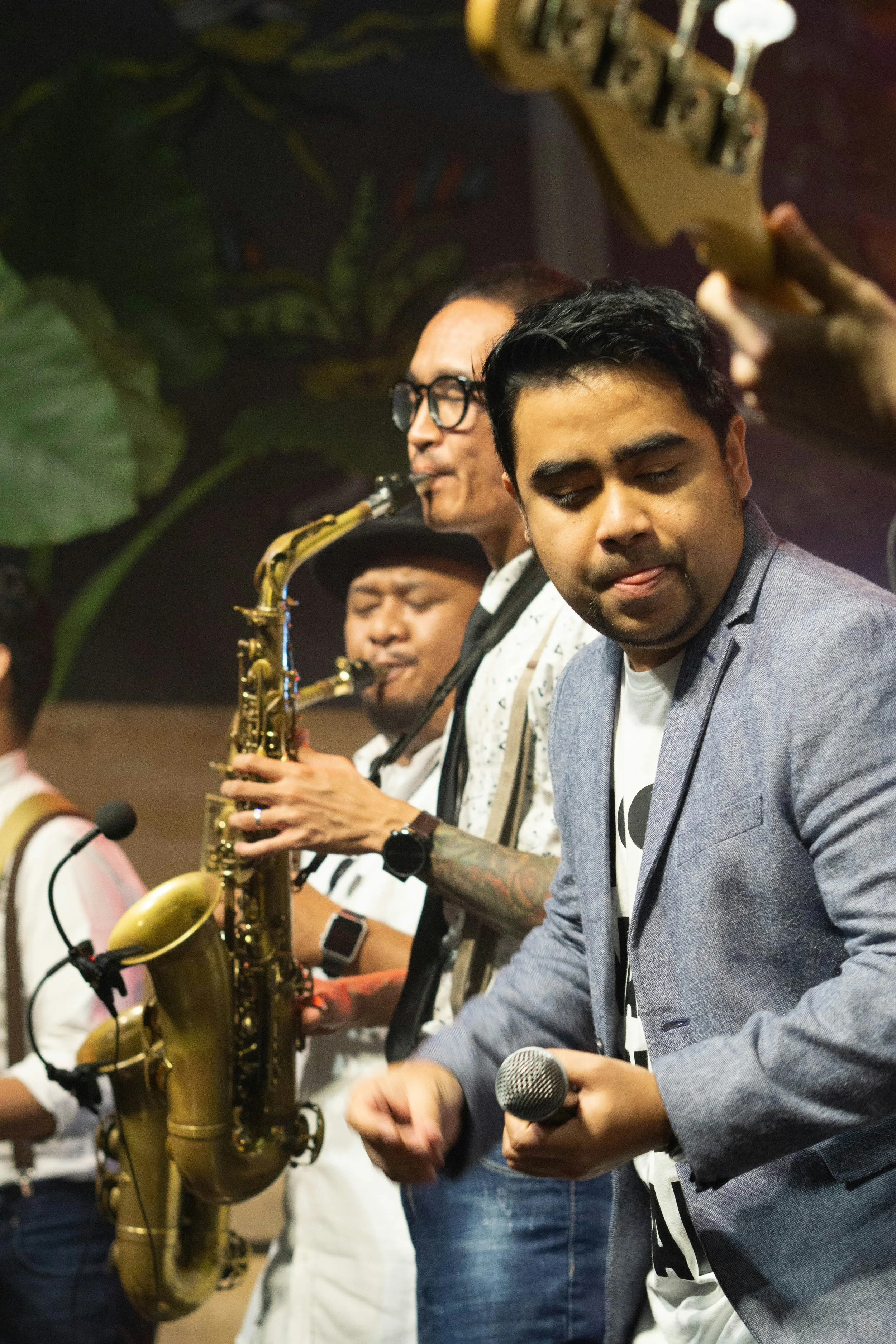
Flamenco, an artistic expression deeply rooted in the culture of southern Spain, has transcended its geographic origins to become a significant source of inspiration throughout European music history. Its rich blend of influences — including Romani, Arab, Christian, and Jewish elements — has given it a unique and expressive character that captivated composers far beyond its folkloric sphere. As early as the Baroque period, the Italian composer Domenico Scarlatti, who lived at the Spanish court, incorporated the vibrant spirit and rhythmic elements of Iberian popular music — precursors of flamenco — into his harpsichord sonatas. This early cultural exchange set a precedent for future generations of musicians.
The influence of flamenco spread with particular strength in the early 20th century, especially in French impressionist music. Composers such as Claude Debussy and Maurice Ravel were fascinated by the sound and duende of flamenco — a fascination partly fueled by the Spanish composer Manuel de Falla, who lived in Paris and introduced them to Spanish guitar and flamenco. Debussy, in particular, absorbed the essence of cante jondo and Andalusian rhythms in works like La puerta del vino and the Iberia cycle. This adoption of flamenco elements by such influential classical figures not only legitimized the genre but also prepared it for a journey of experimentation and fusion that would later lead to a dynamic dialogue with jazz.
Later on, Miles Davis’s deep fascination with flamenco entered the picture — a fascination that began after he attended a performance in New York. This interest culminated in the creation of the iconic 1960 album Sketches of Spain. Influenced by the intensity and profound emotion of cante jondo, Davis immersed himself in Spanish popular music. With the help of arranger Gil Evans, the album went far beyond simple fusion; it incorporated orchestral adaptations of works like Joaquín Rodrigo’s Concierto de Aranjuez, while also drawing direct inspiration from Andalusian folk music. This exploration became a cornerstone of the third stream movement — an innovative attempt to merge jazz with European and world classical music.
On the other hand, the Spanish composer Manuel de Falla played a crucial role in this project. Davis and Evans included in Sketches of Spain the piece “Will o’ the Wisp”, inspired by the Canción del fuego fatuo from Falla’s ballet El amor brujo. Falla had been a pioneer in blending flamenco folklore with classical orchestration. His work demonstrated that flamenco could serve as worthy material for orchestral composition, paving the way for Davis and Evans to adapt it into their own jazz language. Falla’s mastery, together with the folkloric recordings collected by Alan Lomax, provided a solid foundation for Davis’s trumpet to express the melancholy and duende of flamenco over a lush orchestral texture.
Continuing along the path shaped by Manuel de Falla’s influence, the Spanish saxophonist Pedro Iturralde further strengthened the bridge between jazz and flamenco. In his album Flamenco Jazz (which also includes a reinterpretation of the Canción del fuego fatuo), he collaborated with Paco de Lucía, helping consolidate the creative link between these genres — honoring Spanish culture while boldly venturing into the waters of jazz. This demonstrated that Spain’s musical heritage was a fertile source of artistic innovation that fit perfectly within the jazz language.
Foreign artists also became captivated by Andalusian culture, incorporating it into spectacular works. Chick Corea, with his piece Spain from the album Light as a Feather, and later with his album Touchstone — featuring tracks such as Duende, Estancia, Touchstone, and The Yellow Nimbus, in collaboration with Paco de Lucía — elevated this fusion even further. Also notable are Al Di Meola and John McLaughlin with the album Elegant Gypsy. (You can find more about these works in the article “From Andalusia to New Orleans: The Crossroads of Sound” in Oh!Jazz Mag.)
Flamenco symbolizes fusion and is a proud representative of Iberian culture. Its essence is born from the cultural exchanges of the Mediterranean and the interactions among communities that converged in southern Spain. From this emerges duende — a difficult concept to explain, but one that embraces artists who dare to explore flamenco and connect deeply and respectfully with its culture.
by José Mejía